
Politics & Governance
Presidential power play undermines democracy in Africa
Exploiting public office to win elections is common but Madagascar and Cabo Verde are making polls more fair.

Exploiting public office to win elections is common but Madagascar and Cabo Verde are making polls more fair.
Published
6 years agoon
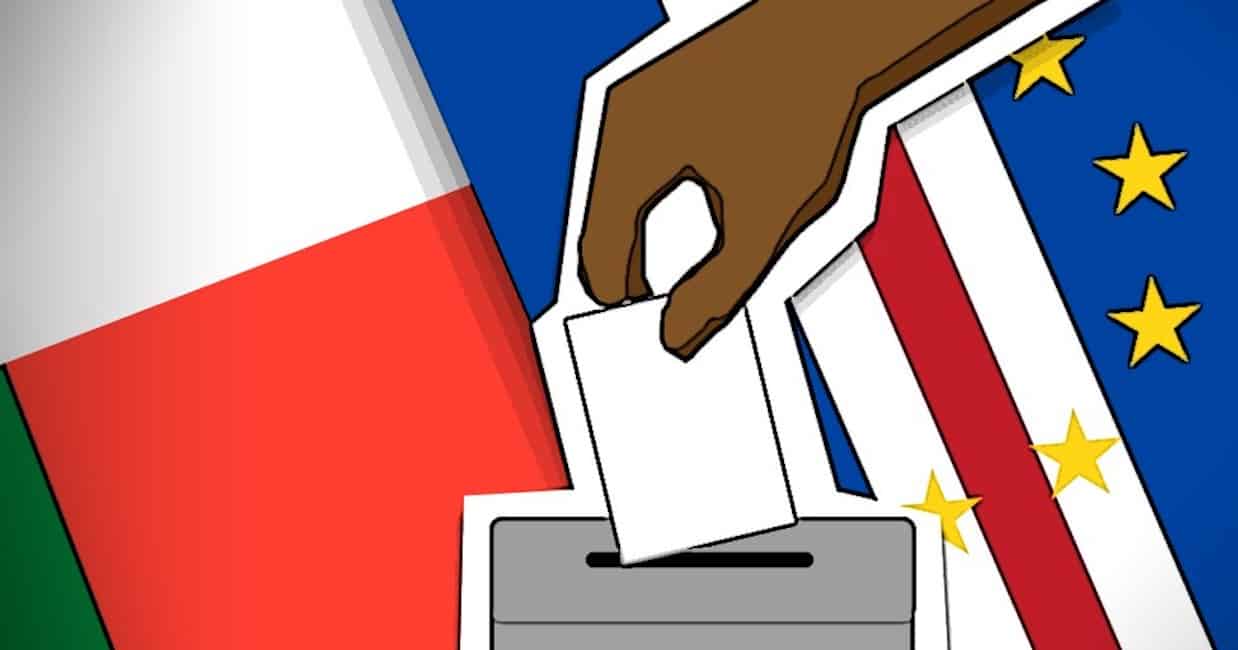
African leaders seeking re-election often exploit access to government resources to boost their campaigns, creating an uneven electoral playing field that gives them an advantage over their political opponents.
Several countries on the continent have elections scheduled for late 2020. The approaching polls have been accompanied by reports of government crackdowns on opposition activities, arrests and detention of opposition leaders, and strict control of media reporting. These moves are often geared to give an incumbent leader an advantage when voting starts.
Recent reports by Human Rights Watch and the Institute for Security Studies document increased restrictions on opposition activities in Tanzania, where President John Magufuli is seeking re-election on 28 October. In Ghana it is the norm that even development projects are appropriated to benefit incumbent leaders before elections.
This exploitation of political office to secure electoral advantage is widespread in Africa. But the problem is not given due attention by the African Union (AU) and regional economic communities, which generally don’t interfere in the democratic processes of member states.
Public trust in democratic processes would be strengthened if presidents stood down during elections
This is despite the 2002 Organisation of African Unity Declaration on the Principles Governing Democratic Elections in Africa, in which member states committed to ensuring ‘adequate provision of funding for all registered political parties to enable them to organise their work, including participation in the electoral process.’ The African Charter on Democracy, Elections and Governance also includes commitments to electoral fairness.
Public trust in democratic processes would be strengthened if presidents and other public officials stood down during elections. This would reduce the exploitation of their offices in political competitions that should take place on a level playing field. In the island nations of Madagascar and Cabo Verde, this practice has been shown to contribute to electoral fairness.
Public office gives incumbent leaders access to state security institutions and other government resources. These are often abused to intimidate voters, limit opposition influence, capture electoral institutions and rig polls. A sitting president can also boost his or her electoral chances by harnessing government funds and facilities for political campaigns and limiting opposition access to the media.
Exploiting connections to state institutions at election time is a corruption of democracy. It aggravates power inequalities by limiting opposition access to equal resources, compromises the integrity of a poll, and reduces public trust in the legitimacy of the process and its outcomes.
Exploiting connections to state institutions at election time is a corruption of democracy
But by vacating office before an election, the tendency of leaders to exploit their incumbency to their advantage may be significantly reduced. The temptation for a sitting president to cling to power after losing a national poll, as The Gambia’s Yahya Jammeh attempted in 2017, can also be managed. It is a model that has been shown to work.
Cabo Verde is a small island off the west coast of Africa, ranking among the world’s most stable democracies, with good governance and a functional and peaceful multi-party system. The country boosted its democratic pr