
Business
Three Silences of Winky D
Winky D wants to restore Zimdancehall to its default ghetto settings. His 13th album, Eureka Eureka, challenges culture capture by self-seeking patrons and state actors. Noted for his conceptual dynamism and pro-poor devotion, Winky D has repeatedly thrown his weight against trends to influence the industry in his own direction. Will Zimdancehall respond to his latest call?

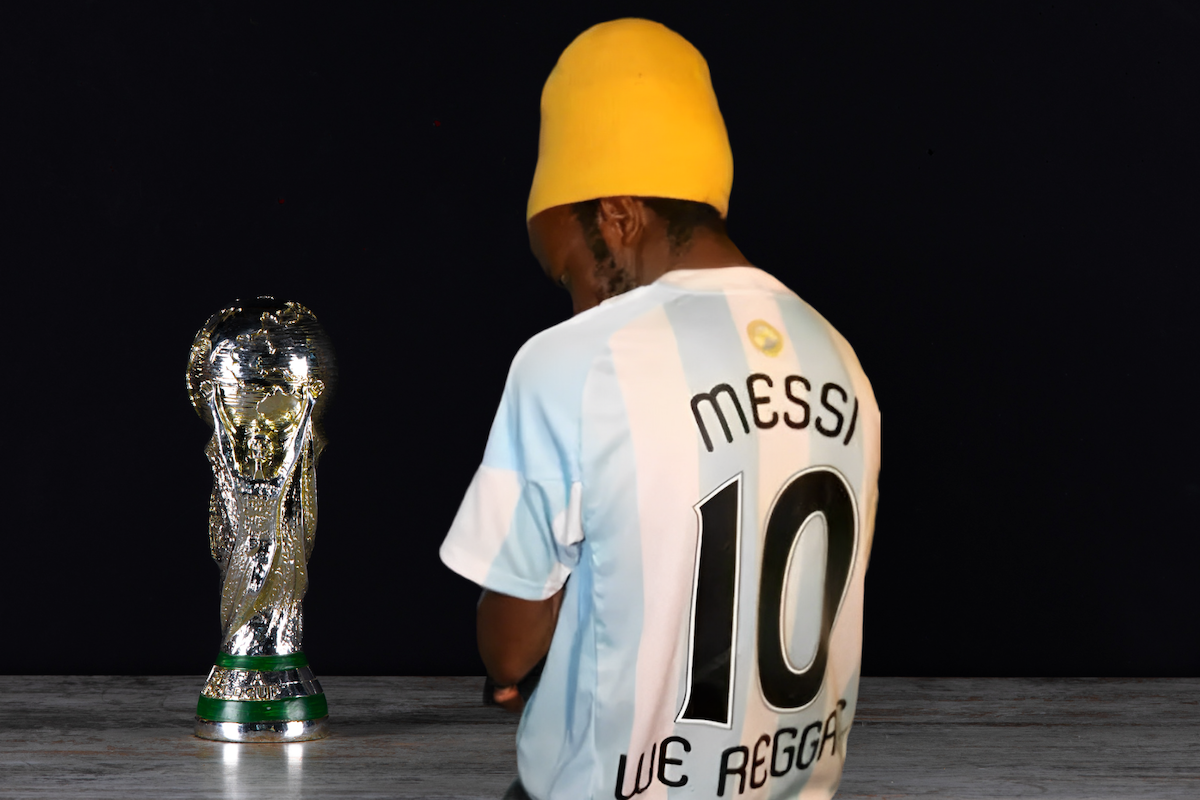
The lizard that digs its sand nest on the blindside knows that the deepest love is on the back of the mind. To build a house backwards is to reach for the foundation. A house is built with words but held together by silence. Winky D, born Wallace Chirumiko in 1983, is Zimdancehall’s foremost master builder. He was present at the defining moments of the genre but also silent leading up to them. When barbershop historians tell the story of a noisy urban movement many years to come, they will do well to remember the three silences of Winky D.
A lot has been made of how too little is known about Winky D’s personal life. The king of privacy has morphed from a turban-wearing Bobo youth to a kickboxing badman, from the Poor People’s Devotee to the Ninja President, the Bigman, the Dancehall Igwe, the Gafa, ChiExtraterrestial, and now Gombwe. But his off-throne diversions have remained guesswork, 19 years in the industry. Winky D is, above all, a dancehall nerd. Songwriters stain their sleeves red giving their secrets away but Winky D is no One Republican. The artifice – world-building, alter egos, concept albums and intertextuality – maintains a bufferzone around Zimbabwean music’s favourite anti-social extrovert.
But silence is not just the line between the public and the personal for Winky D. It is the core philosophy running through his Zimdancehall reign. Silence gives character to the king’s speech. When the king speaks, the kingdom rearranges itself around his words. The master of the house who runs his mouth after every word wakes up to find his voice mistaken for the sound of falling dishes.
Winky D came to rule already schooled in silence. When urban grooves came to town, the Devotee was underground, a prince among paupers, retrieving his supper from the claws of street wolves. Now that street poets who came after him are dining princely with Babylon, the Igwe’s chair is empty, once again, at Zimdancehall’s feast of shame.
This story tells the three silences of Winky D.
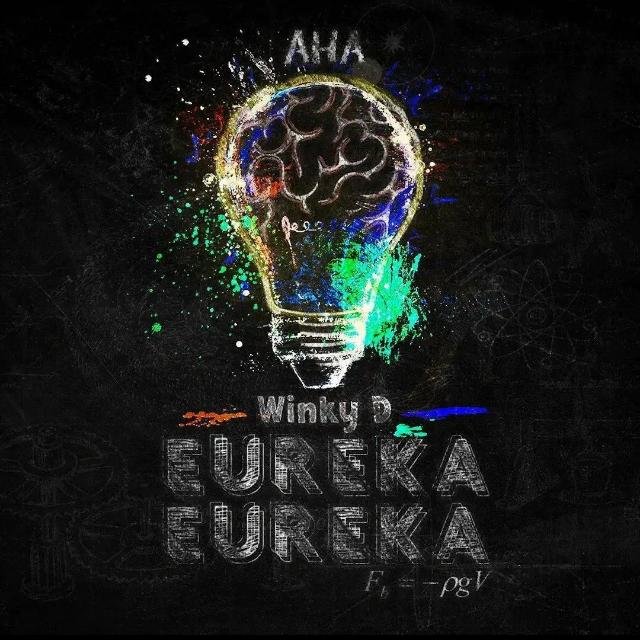
First, we find him breaking the third silence with his 2023 album, EUREKA EUREKA.
Done with silence
Winky D is done with silence on EUREKA EUREKA. Zimdancehall has been bankrolled by Babylon lately. Politicians, pastors, businessmen and wannabes have absorbed the culture to their own narrow interests. And now the Gafa comes to restore it to street settings. While at it, why not also deliver the memo to the relevant doorsteps? In Kendrick Lamar’s parable of the caterpillar and the butterfly, the street realist can no longer look past his conditioned reality, while the industry conformist is lost to society in his immersion in music about music. Winky D has had two decades to work through the blind spots. On EUREKA EUREKA, he is not just restoring dancehall to its street settings but also lining Zimbabwe up for a righteous reboot.
Zimdancehall has been bankrolled by Babylon lately [Politicians, pastors, businessmen and wannabes] and now Winky D — the Gafa comes to restore it to street settings
Opening track, “DZIMBA DZEMABWE”, featuring Shingai, is the first of many bold moments on Winky D’s 13th album. Its patriotically immersive visuals are a tale of two countries that share the name Zimbabwe. Winky D turns out for the poor in a class struggle where their last frontier – their songs and their souls – have also been bought by the system. Going out as a song for everyone, “DZIMBA DZEMABWE” has a broader aesthetic, post-“Dzemudanga”, “Parliament” and “KaSong keJecha”.
A child marriage scene where a little girl is sold for a bucket of maize in the “DZIMBA DZEMABWE” video can be seen on a second level as the Zanu PF government mortgaging “the coming generation” through its cartel economy and extractive capitalism. And on a third le